Showing posts with label good content. Show all posts

Wednesday, July 23, 2014

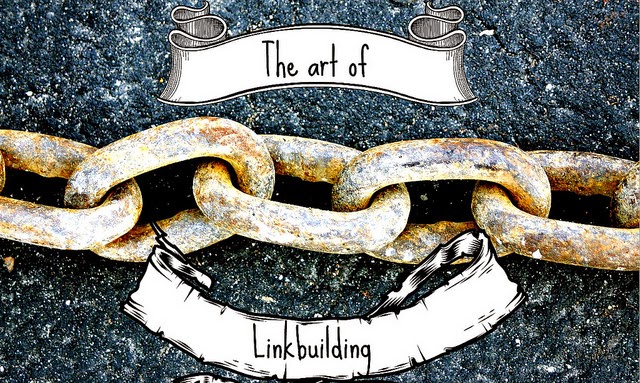
Link Building For Small Business

Building quality links takes time, patience, and relationship building skills. You need to be able to develop content that will be interesting to those you pitch, and pitch it in an engaging way. It’s also a time saver to be able to identify which sites will be the most relevant and willing to engage you. When considering a possible site, you will want to consider the following criteria:

  • Relevancy
  • Your Resources
  • Feasibility

Is Their Site Relevant To Your Site?


You will want to look for non-competitive domains that link to content and resources similar to yours. Not only will this allow you access to your target audience, but Google looks for relevancy as one of the prime ways to differentiate between spammy and legitimate links. Furthermore, a quality site won’t have much of an incentive to link to or publish content from your site if it won’t be interesting to their readers.

Start by sharing the content of your target site, and working to build a relationship via social media or their blog. Once a relationship has been established, offer to write a relevant piece of content for them or help develop a resource guide. Ensuring that the link will be mutually beneficial is the best way to go.

Do You Have The Resources and Prominence to Attract Quality Sites?


If you are a brand new site with just a couple of pages and only a few social media followers, you may not have the clout to attract a site like, say, CNN. As previously mentioned, quality links are built when said link is beneficial to both parties. They will need to know that you are interesting and engaging to your own audience before they will want to introduce you to theirs.

Work hard on building you own site, adding quality content, and building your social media following and engagement. When you have a lot to offer, it will be hard to turn you down.

Is This A Site That Will Feasibly Show Interest?


If you have found a site that is relevant and you have built up your own website to be interesting and engaging, you should still ask if this site is worth spending time on? Is this a site that is frequently pitched? Do you have what it takes to stand out from the crowd? Do they have already established rules about links? Are they known for being open or closed?


Your time is best spent on building relationships with sites that you have a strong chance of connecting with. Instead of shooting out a pre-packaged pitch to anyone with an inbox, be strategic and make a plan. Save time, and increase your success!

photo credit: bloeise via photopin cc

Thursday, June 19, 2014

Keeping Up With Google: The New Adword Policies


Recently Google announced that they will be updating the AdWords Policy Center for the ever-familiar motivation of enhancing user experience and ease-of-use for advertisers. The changes are set to take place around September, so now is the time to start ramping up your best practices to match the new guidelines. Here’s what you will need to know.

Many Businesses Won’t Need to Worry


According to Google, "Almost all advertisers who comply with our current policies will also comply with the new policies." The main differences will be in restrictions on certain types of products and advertisers such as alcoholic beverages, weapons, etc. Just make sure to read the new restrictions to ensure you are still in compliance.

Ramp Up Your Content Quality


We all know that Google is huge on content quality. Almost every major adjustment is aimed at weeding out spammy content. Now they are cracking down on paid content as well. For those of us who are not marketing dangerous weapons or alcohol, this is the most important update. The are adding a new “Abuse of the Ad Network Policy” section that includes the following prohibitions:

• malicious ads, sites, or apps
• ads promoting sites that offer little unique value to users and are focused primarily on traffic generation
• businesses that attempt to gain an unfair advantage in the ad auction
• businesses that attempt to bypass our review processes
• Content that is designed for the primary purpose of showing ads, i.e. Driving traffic (whether through "arbitrage" or otherwise) to destinations with more ads than original content, little or no original content, or excessive advertising.
• Content that is replicated from another source without adding value in the form of original content or additional functionality, i.e. mirroring, framing or scraping.
• Landing pages that are solely designed to send users elsewhere, i.e. doorway pages, gateways.

Familiarize yourself with the new policies, keep your ads free of user deception and spammy links and you will be fine. For assistance with your AdWords campaigns, you can always call Think Agency, Inc. and make use of our expertise.

photo credit: mark knol via photopin cc

Tuesday, April 8, 2014

Understanding and Rocking Content Marketing

98% of all materials and product research begins on the web. For anyone selling products and services, this is an extremely important statistic. Your customers are researching you and your competition before you ever know they exist. If ignored, this can be detrimental to your bottom line. If utilized, you can grow your business at exponential rates. 

Today, your audience wants to first be educated and informed—not sold! When they understand your message, they’ll trust you, rely on you, and they’ll act. Strategic communication is critical to this process. When speaking to different audiences (investors and customers), it’s important to craft different messages. This is the essence of content marketing.

What is Content Marketing?


According to the Content Marketing Institute, “Content Marketing is a marketing process to attract and retain customers by consistently creating and curating content in order to change or enhance a consumer behavior.” In fact, 95% of B2B marketers are using content marketing to their advantage. 

What Does An Optimized Content Marketing Strategy Look Like?


There are a few different types of media used in content marketing: 


An optimized content marketing strategy utilizes all of these media types in harmony with one another. This includes press releases, blogs, keyword articles, feature articles, case studies, SEO, social media, PPC, banner ads, and trade publication ads. 


What Kind Of Content Should You Use? 

This first criteria of good content is that it be fresh. Posting new, non-duplicate content regularly is key. On-site, including keyword optimized content on every page with an emphasis given to the main objective of the page will also improve the page rank. Off-site, fresh content should be posted on Facebook, Google+, and other social networks to help increase overall website authority. 

The second criteria is “quality over quantity”. While you want to have a regular source and schedule of posting content, you don’t want to just post content without a purpose. Content must be keyword enriched, have a focus, and help make you a global source for industry-related news and information. When speaking to investors and shareholders, you want to speak to the successes, community involvement, and other stories that support your corporate story.

Final Results


All of this effort will have the final result of increased website traffic, lowered bounce rate due to increased quality of on-site content, increased keyword rankings, increased high-quality leads, and increased online authority. Give your audience what they want and they will do the same for your. It’s basic reciprocity! 

Wednesday, February 5, 2014

Do You Know Good Content When You See It?


Did you know? Have you heard? Content is king! While that is hardly an original sentiment, it really is true. The days of shady link building, key word peppering, and unethical SEO are over. The days of hiding behind strategy are over. If you want to get noticed, now you actually have to be noticeable. Having good quality content to interest readers and draw a following is the way to do it. Here’s how you know if your content is going to get the job done.

Good Content Has No Hidden Motive


Don’t make a sales pitch. Don’t write 500 words about your own product. Don’t talk about how great you are. Don’t pepper every sentence with the same keyword. If you really want to include a brief intro to yourself with a link at the bottom of the post then you may, but only if what precedes it is really and truly valuable. 

Content marketing is counter-intuitive. If you want to gain any benefit from it, you are going to have to ignore your own needs and focus on the needs of your audience. Give them some valuable information. Entertain them. Teach them something. You wouldn’t go to a party and spend the entire time promoting your business. You wouldn’t find a way to incorporate a phrase like “lead generation” into every sentence. Don’t do it online either. 

Good Content Incites Action


The entire point of creating content is to entice people to share it. Here are a few questions to ask yourself before publishing:

-Is my content readable? Do I have proper grammar? Am I clear and concise? Am I conversational? 
-Is my website user friendly and visually appealing? 
-Would I want to share this with my friends? Would I find this interesting if I didn’t write it? 
-Is this a tired subject? If it is commonly discussed, have I said something unique? 
-Am I either helpful or entertaining?

Keep records of highly shared content and content that flopped. Spend time thinking about why one worked and one didn’t. Content marketing isn’t an exact science. It involves some experimentation. 


The final indicator of good content is this: Does it provide value or just clutter up the internet. If you can give value to your audience through your content for free, then you will create loyalty as well as increase your visibility. 


photo credit: Olivander via photopin cc